Spring weekends at a cabin are a mix of promise and pressure.
Promise, because the light is back, the air smells clean, and the place starts to feel alive again.
Pressure, because spring also triggers the “we should really…” list: clean everything, fix everything, plan everything, get ahead for summer.
We’ve run enough shared-home weekends to know the real friction isn’t that people don’t want to slow down. It’s that everyone arrives with a different definition of a “good weekend.” One person wants a reset. Another wants progress. Another wants quiet. If you don’t name it, the weekend turns into a low-grade negotiation in the group chat.
A slow spring weekend works best when you treat it like an operating rhythm, not an itinerary: a few intentional rituals, a little seasonal maintenance, and just enough structure that nobody feels like they’re either “doing nothing” or “doing everything.”
Below are 15 simple, specific rituals that fit spring at a cabin—especially early spring when it’s still crisp, muddy, and beautiful.
Set the weekend tone first (slow living = clarity)
Slow living gets misread as “no plans.” In practice, it means you choose what matters and let the rest wait.
At a cabin, slow living usually means:
- Intentionality over productivity. You do fewer things, but you actually feel them.
- Connection to surroundings. You let the season set the pace.
- Visible, low-stress rituals. Small actions that make the place feel cared for without turning the weekend into a work party.
If you’re arriving with other people (family, friends, co-owners), one move helps immediately: agree on a simple weekend tone.
Try: “Let’s do one light reset task each, and otherwise keep it slow.”
That sentence prevents the classic cabin tension: one person quietly scrubbing while everyone else is “relaxing,” then resentment later.
Rituals to bring spring indoors (without making it a project)
Early spring can still look brown outside. The fastest way to shift the cabin mood is to bring in a few signs of life.
1) Forage a handful, not a haul
Take a short walk and cut a few branches or gather a small bundle:
- Pussy willow
- Cherry blossoms (if they’re out)
- Daffodils
- Bluebells
- Anything bright green and budding
Put them in whatever you have: jars, bottles, old pitchers. The point isn’t a perfect arrangement—it’s letting the cabin reflect what’s happening outside.
Operator tip: Keep it simple so it doesn’t turn into “who’s cleaning up the floral mess later.” One vase per main room is plenty.
2) Make a quick spring wreath
A wreath is a seasonal marker. It tells your brain: we’ve shifted.
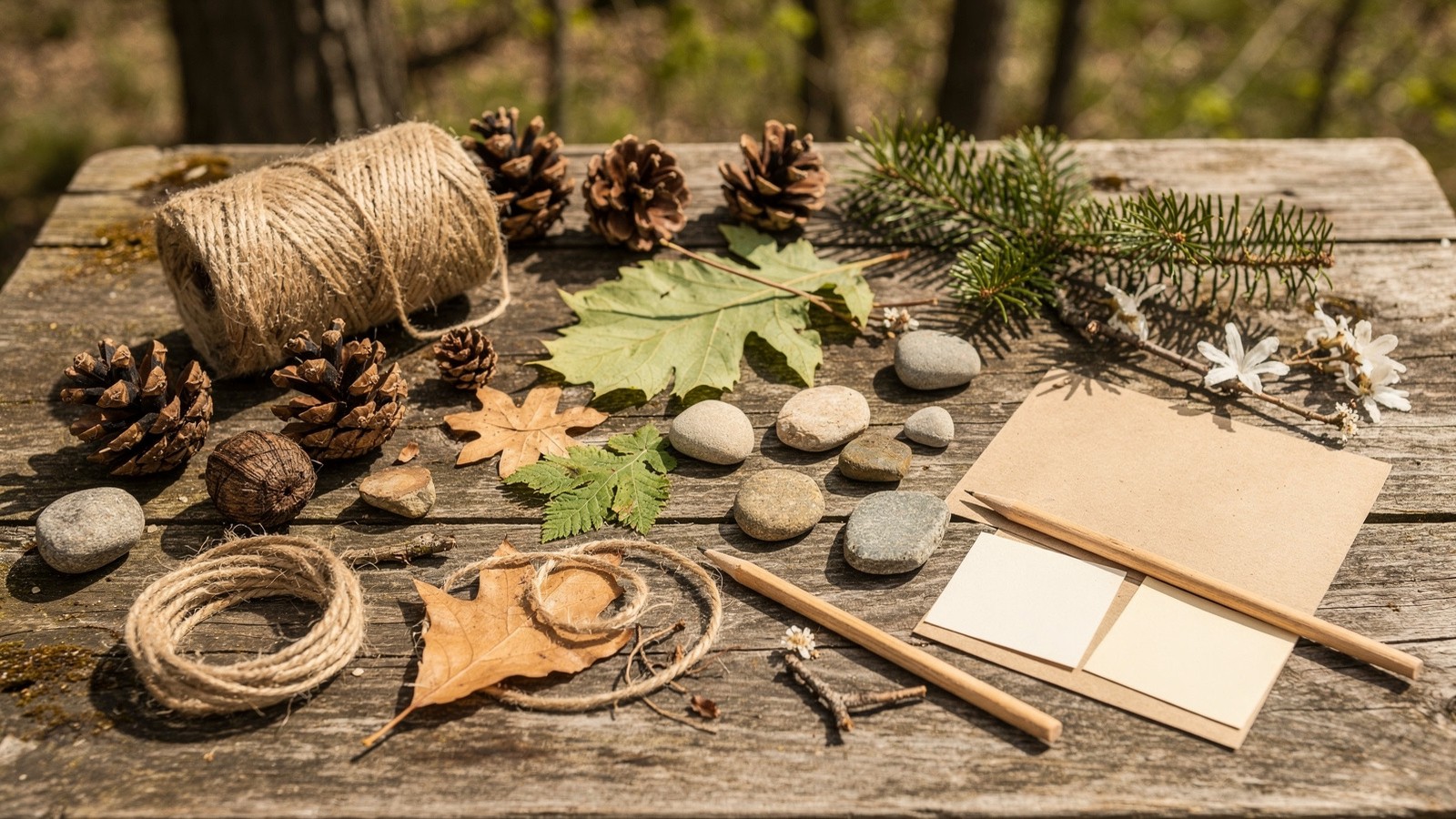
Use what’s around—twigs, flexible branches, dried grasses, a few fresh stems. Twist into a circle, tie with string, and hang it on the door or lay it flat as a table centerpiece.
You’re not crafting for Instagram. You’re making a small marker that says the cabin is awake.
3) Start seedlings on a sunny windowsill
This is the most hopeful spring task there is, and it’s naturally slow. Pick a few easy seeds:
- Herbs: basil, parsley, dill
- Greens: lettuce, spinach
- Summer vegetables if you’re ambitious: tomatoes, zucchini
Use small pots or recycled containers. Water lightly. Put them in the sun. That’s it.
Why it works: It’s a long-game task that doesn’t demand a full weekend. You do a tiny thing now and let time do the rest.
Rituals for slow mornings (that don’t require discipline)
Cabin mornings can go two ways: either they’re genuinely calm, or they’re “calm until someone starts listing tasks.”
A slow morning ritual is a simple agreement with yourself: we start with presence, not output.
4) Drink coffee (or tea) like it’s the only plan
Open a window. Sit in one specific spot. Watch the light change. Listen for birds.
It’s simple, but it works—especially if your normal life starts with a phone and a to-do list.
If you’re sharing the cabin: This also avoids morning decision fatigue. Nobody needs to negotiate plans at 8:07 a.m.
5) Do one “soft task” before noon
A soft task supports the home without taking over the day.
Examples:
- Refill the firewood basket
- Wipe down the kitchen counters properly
- Shake out rugs
- Put fresh linens on one bed
The issue usually isn’t the checklist. It’s that nobody knows who owns the checklist. Pick one thing you can finish in 15–30 minutes and be done.
6) Line-dry laundry outdoors
If you have a line, use it. If you don’t, drape sheets over chairs in the sun.
Line-drying is slow living disguised as maintenance:
- It gets you outside.
- It’s repetitive and calming.
- The cabin smells like actual spring.
It’s also visible. Everyone benefits, and nobody has to guess whether it happened.
Rituals for spring walks (track the season, not your steps)
Cabin walks often get framed as exercise. In spring, they’re better as observation.
7) Take a “noticing walk”
Go slow. Look for:
- First buds
- Moss brightening
- New bird calls
- Melt patterns
- Tiny blooms near the ground
If you want structure, choose a theme: “What changed since last time?” or “What’s the first sign of green?”
8) Do a rainy-day walk on purpose
Rainy cabin days can turn into indoor restlessness. A short rain walk fixes that.
Boots, jacket, five minutes minimum. The air is clean, everything smells sharper, and when you come back in, the cabin feels extra cozy.
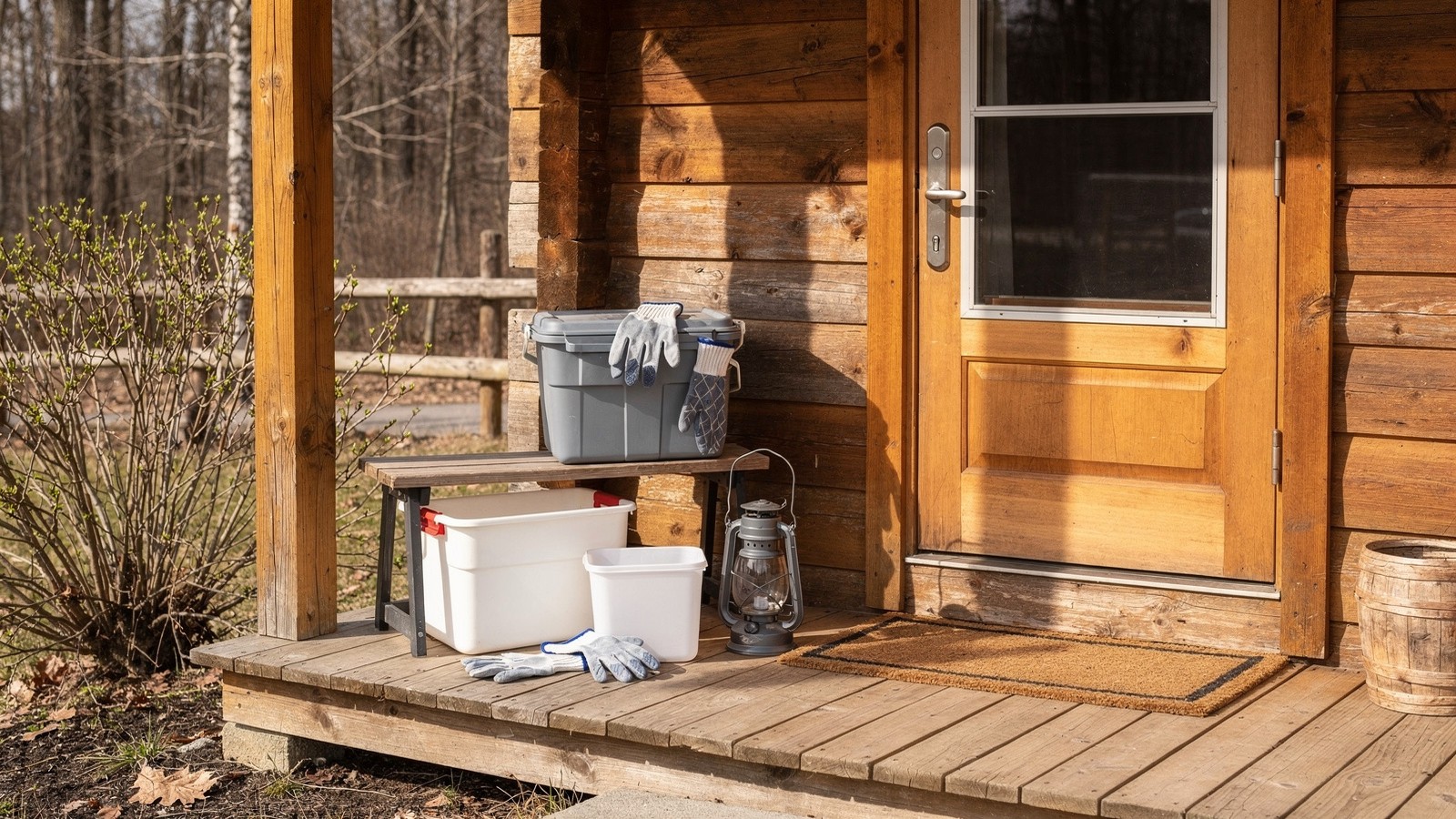
Operator tip: Put a towel by the door and decide where wet gear goes. A slow weekend gets tense fast when the entryway becomes a puddle zone.
9) Eat at least one meal outside
Even if it’s cold. Even if it’s just soup in mugs.
One outdoor meal a day anchors the weekend in the season. It also breaks the “we’re inside all day” loop that can make a cabin feel smaller than it is.
Rituals for cabin cooking (process over outcome)
Spring cabin cooking doesn’t need to be elaborate. The goal is sensory: warm oven, simple ingredients, time passing.
10) Bake something that smells like comfort
Pick one:
- A simple loaf of bread
- A seasonal cake
- Cinnamon buns
Let it take time. Let it be imperfect. The cabin doesn’t need a perfect crumb—it needs the rhythm of something slowly becoming ready.
11) Shop local and let it decide dinner
Seasonal eating is slow living in practice: you stop forcing the menu and start responding to what’s available.
Early spring options often include:
- Root vegetables
- Early greens
- Eggs
- Preserves
Buy what looks good, then build a simple meal around it.
12) Make one “low-effort, high-reward” cabin meal
A reliable formula:
- One pot (soup, stew, pasta)
- One tray (roasted vegetables)
- One simple topping (herb butter, lemon, grated cheese)
This keeps the kitchen calm. And in shared spaces, kitchen calm is relationship calm.
Rituals for intentional evenings (so they don’t default to screens)
Evenings are where a slow weekend either lands—or slips away.
13) Light a fire as a closing ritual
If you have a fireplace or wood stove, use it.
Fire is the simplest “we’re here” signal. It warms the room, slows conversation, and gives everyone a shared focal point that isn’t a TV.
Operator tip: Decide who’s handling ash and who’s restocking wood. A missed handoff becomes an argument when the work is invisible.
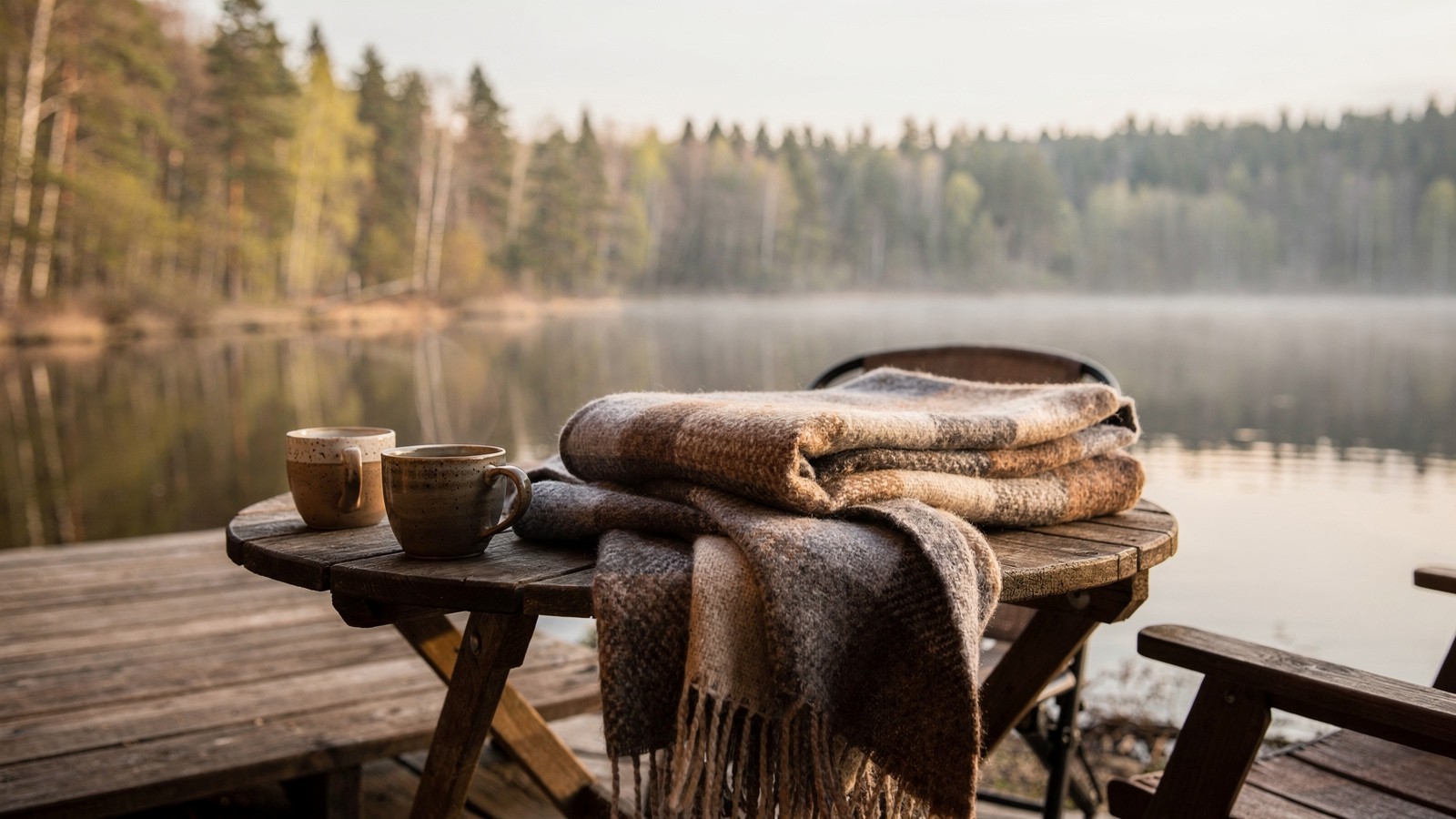
14) Stargaze with blankets and hot chocolate
Spring nights can be clear and cold. That’s perfect.
Grab blankets. Bring mugs. Stand outside for ten minutes. You don’t need a telescope. You just need to look up long enough for your nervous system to notice it’s not in a city.
15) Start a nature journal (keep it small)
This isn’t “become a journaling person.” It’s a simple log that makes the season feel real.
Write down:
- Date + weather
- What’s blooming
- Birds you noticed
- One small change since last visit
Over a few weekends, you’ll build a record that’s more satisfying than photos—and it makes you feel rooted to the place.
Optional: a gentle spring reset (maintenance without turning it into work)
Spring cleaning at a cabin can be a trap. If you try to “open the season” in one weekend, you’ll spend the whole time chasing dust and feeling behind.
Instead, aim for light, visible wins.
Gentle decluttering (the non-dramatic version)
Choose one zone:
- The entryway hooks
- The kitchen junk drawer
- The bathroom shelf
- The pile of mismatched gloves and candles
Set a timer for 20 minutes. Stop when it ends.
This prevents the classic spiral: someone starts reorganizing, then the cabin is chaos, then everyone’s stressed.
Refresh one room layout
If the cabin feels heavy from winter, make one small change:
- Move a chair closer to the window
- Clear one surface fully
- Swap a lamp to a darker corner
- Put a basket where clutter tends to land
You’re not redecorating. You’re making the space feel lighter for spring.
Wrap-up: a slow weekend is a shared agreement
A spring cabin weekend doesn’t need a packed plan to feel full. It needs a few rituals that are easy to start, easy to finish, and easy to share.
Bring in a handful of branches. Start seedlings. Drink your coffee slowly. Walk in the rain. Bake something warm. Eat outside once. Light a fire. Look at the sky.
If you’re arriving with other people, make it even easier: pick one soft task each, keep responsibilities visible, and let the rest of the hours stay unclaimed. That’s usually where the restoration actually happens.